The abortion pill has rapidly become the primary method of abortion in the United States. According to the sources, medication abortion accounted for approximately 40% of all recorded abortions in 2017, rose to 54% in 2020, and reached 63% by 2023. Even after the overturn of Roe v. Wade, official requests for self-managed abortion pills have skyrocketed across the country.
- Abortion pills are now the primary method used to murder preborn children in the United States, accounting for approximately 1 million murders a year.
- Nationwide, there are roughly 2,000 to 5,000 abortions occurring every single day.
- When states shut down physical, freestanding abortion clinics, the industry simply transitions to a mail-order model. For instance, states like Oklahoma that claim to have banned abortion are actually among the leading states in the nation for ordering abortion pills online.
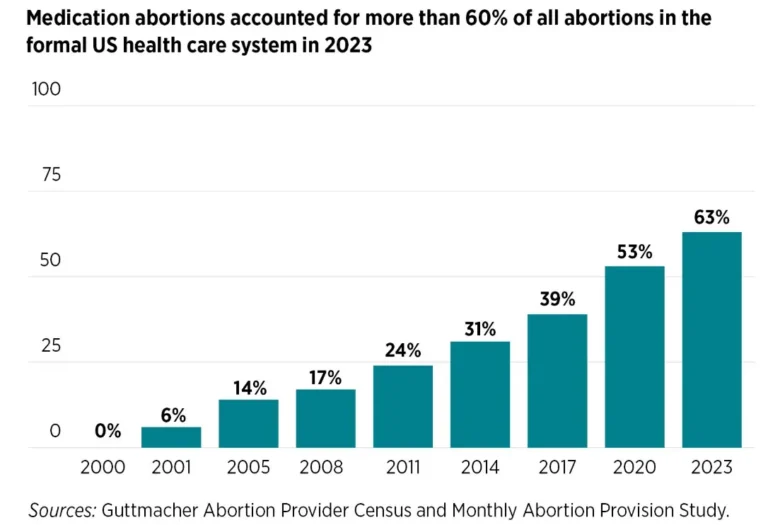
Chemical abortion, commonly known as the abortion pill, is a drug regimen that often uses medications like Misoprostol to terminate a pregnancy. Today, women can easily order these pills online and have them shipped directly to their mailbox to be taken in the privacy of their own homes, typically up to 12 or 14 weeks of pregnancy.
- Mifepristone is taken first to block the effects of progesterone, which is the hormone required to sustain a pregnancy. Researchers in France developed mifepristone in the 1970s.
- Misoprostol is taken afterward to induce severe uterine contractions to expel the baby from the womb. Women in Brazil discovered the use of the ulcer medication misoprostol for abortion in the 1980s. While misoprostol is primarily known as an abortion drug, hospitals also routinely prescribe it to women who have suffered a natural micarriage to help their bodies pass the remains of a deceased child.
While many states have passed so-called abortion bans, the abortion pill remains functionally legal and accessible everywhere because these laws almost universally grant blanket statutory immunity to the mother. This means that even in states with strict bans, a woman can order the pill and take it herself without facing any criminal prosecution or legal consequence. When physical abortion clinics were shut down, the industry simply transitioned to a mail-order model, which has actually made abortion more anonymous, affordable, and accessible than it was before the overturn of Roe v. Wade. For example, residents in states like Oklahoma can order abortion pills online for free and have them delivered from neighboring states like Texas, where surgical abortion is also supposedly banned.
GA
In 2019, Georgia passed a heartbeat bill (HB 481) into law, which is now in effect after being upheld by the State Supreme Court. Abortion is legal up to six weeks in Georgia with exceptions that allow children conceived in rape and incest to aborted up to 20 weeks. The law also allows the abortion of children deemed “medically futile" or if "the woman reasonably believed abortion was necessary to prevent a medical emergency."
Under HB 481, a mother cannot be charged with a crime for having an abortion. The law targets providers, not pregnant women, and even gives women the right to sue if an illegal abortion is performed on them. under Georgia Code §16‑5‑80 (Feticide) The statute explicitly says the law does not apply to the pregnant woman herself. Georgia’s older abortion crime statute (§16‑12‑140) historically targeted providers, not the woman. Even before Roe, Georgia did not prosecute women for self‑managed abortions.
Despite Georgia's six-week abortion ban, women are not legally prohibited from ordering and taking abortion pills themselves. This loophole was highlighted in the tragic case of Candy Miller, a Georgia mother who easily ordered abortion pills online to terminate her pregnancy. While the pills successfully ended her child's life, they failed to fully expel the fetal tissue, and Miller later died at home from complications involving a lethal combination of painkillers and fentanyl. In another case, a woman named Amber Thurman was able to obtain abortion pills from an abortionist in a nearby state,
Christian Perspective
Why the Abortion Pill is Wrong
- It is Intentional Murder: The abortion pill is designed to intentionally destroy a preborn human being who is made in the image of God. God's command "Thou shalt not murder" applies equally to all image-bearers, and He does not specify that murdering a child with a pill is any better or worse than doing so surgically in a clinic.
- The availability of the pill has relegated child sacrifice to "unassuming hallways," "living rooms, bedrooms, and dorm rooms," where mothers quietly take pills while carrying out their everyday duties. It has made the murder of preborn children more anonymous and accessible than ever before.
- Beyond murdering the child, the abortion pill regularly causes severe complications, infections, and death for the women who take them. The sources highlight the tragic stories of Candy Miller and Amber Thurman, two mothers who took abortion pills that successfully killed their babies but failed to fully expel the fetal tissue, ultimately leading to both women dying from severe internal infections and organ failure