The term proskuneó is what most people think of when they think of worship. It is bowing down and giving reference to a figure. In the Gospel of Matthew, we see early evidence of this reverence when the Magi arrive to worship the infant Jesus.
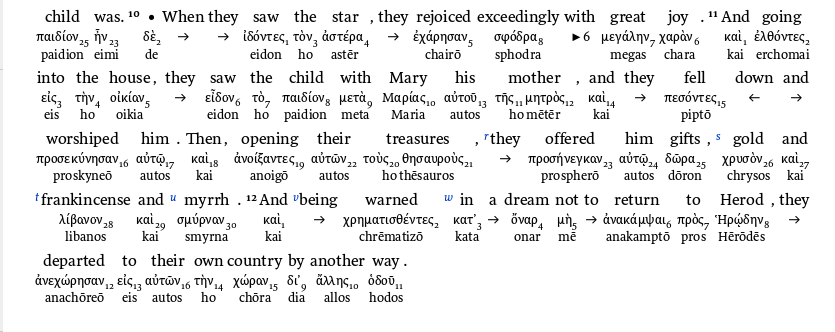
11. And going into the house, they saw the child with Mary his mother, and they fell down and worshiped (proskuneó) him. Then, opening their treasures, they offered him gifts, gold and frankincense and myrrh.
This act of proskuneó establishes a precedent for recognizing Jesus as worthy of worship. Furthermore, in Matthew 14:33, after Jesus calms the storm, His disciples respond:
33. And those in the boat worshiped (proskuneó) him, saying, “Truly you are the Son of God.”
The New Testament consistently illustrates that Jesus not only accepts proskuneó, but also encourages it. Jesus is worshiped many times in the Gospels, and he never rebukes it (Matthew 8:2; 9:18; 14:33; 15:25; 18:26; 20:20; 28:9, 17; Mark 5:6; Luke 5:8; 24:52; John 9:38). Even though Jesus himself says:
9. And he said to him, “All these I will give you, if you will fall down and worship (proskuneó ) me.” 10. Then Jesus said to him, “Be gone, Satan! For it is written, “‘You shall worship (proskuneó ) the Lord your God and him only shall you serve.’”
Can We proskuneó To Others?
Strongs, proskuneó can mean: I go down on my knees to, do obeisance to, worship. So when someone proskuneó it can mean they are going to their knees to either do obeisance or worship. It's seems the the Bible teaches that we can proskuneó to others based on certain passages (Genesis 33:3, Exodus 18:7, Ruth 2:10, 1 Samuel 20:41, 24:8 , 25:3 , Daniel 2:46) for example in the Greek Septuagint of the Old Testament:
20. Then David said to all the assembly, “Bless the LORD your God.” And all the assembly blessed the LORD, the God of their fathers, and bowed their heads and paid homage (proskuneó) to the LORD and to the king.
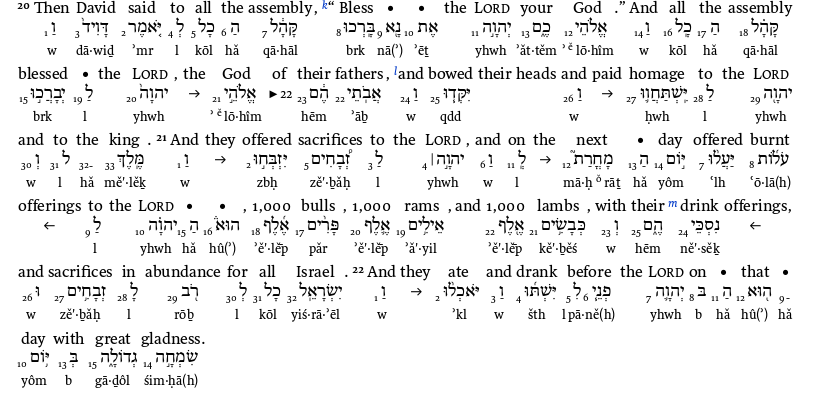
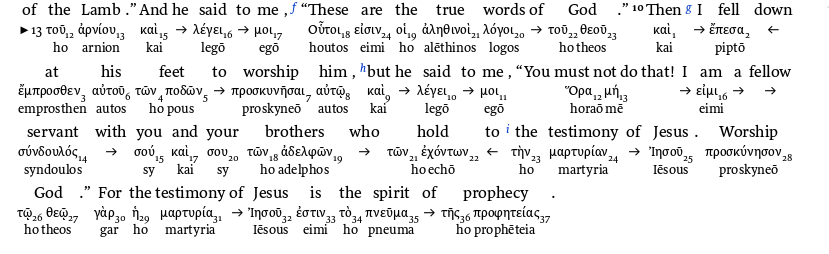
In this passage, both David and God receive proskuneó and no rebuke said of them. The original manuscripts are in Hebrew using the word (יִּֽשְׁתַּחֲו֛וּ) which like proskuneó can mean worship, or bowing down. We will need to stay with the NT scripts and contrast verses, like when Jesus said that only God can be proskuneó in the context of worship, or when John and Cornelius are rebuked for proskuneó. To see what's going on we need to get more context from the Bible. For example In the book of Revelation, John is overwhelmed by all the visions and starts to proskuneó to an angel two times, who quickly rebukes him twice.
10. Then I fell down at his feet to worship (proskuneó) him, but he said to me, “You must not do that! I am a fellow servant with you and your brothers who hold to the testimony of Jesus. Worship (proskuneó) God.” For the testimony of Jesus is the spirit of prophecy.
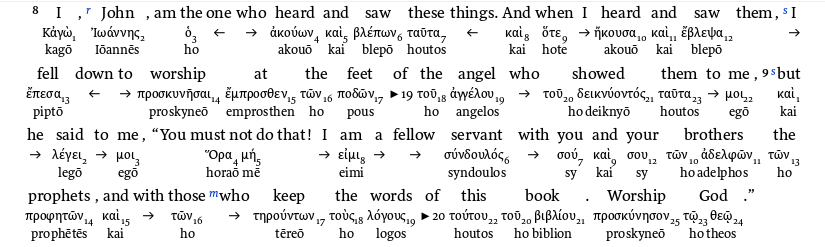
8. I, John, am the one who heard and saw these things. And when I heard and saw them, I fell down to worship (proskuneó) at the feet of the angel who showed them to me, 9. but he said to me, “You must not do that! I am a fellow servant with you and your brothers the prophets, and with those who keep the words of this book. Worship (proskuneó) God.”
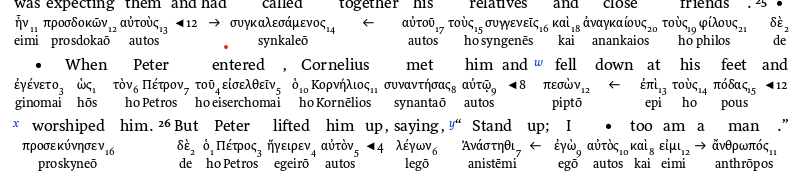
This also happens in Acts when Peter tell Cornelius not to proskuneó to him:
25. When Peter entered, Cornelius met him and fell down at his feet and worshiped (proskuneó) him. 26. But Peter lifted him up, saying, “Stand up; I too am a man.”
And Jesus himself says that only God should be proskuneó.
9. And he said to him, “All these I will give you, if you will fall down and worship (proskuneó) me.” 10. Then Jesus said to him, “Be gone, Satan! For it is written, “‘You shall worship the Lord your God and him only shall you serve.’”
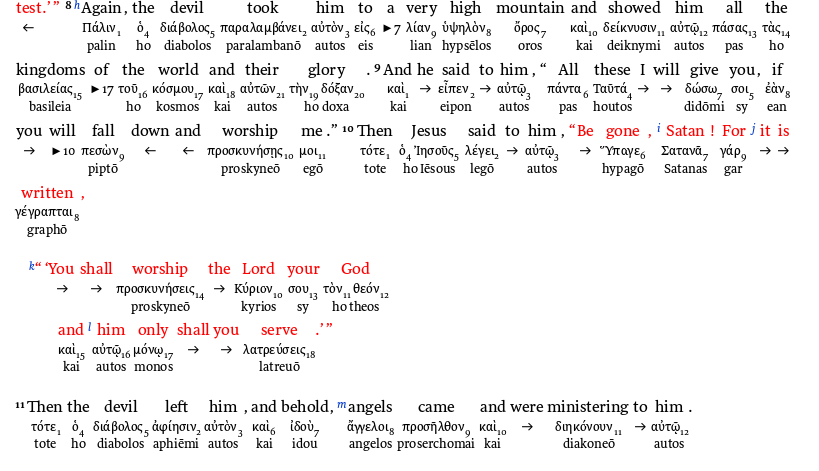
With all four of these passages we can see the common phrase is using the word Piptó-Fall Down and proskuneó together to show worship. ("Fall Down and proskuneó", "Fell down at his feet to proskuneó " and "Fall down to proskuneó "). Very clearly there is a distinguishing of the bowing down and the proskuneó worship. In Matthew 4:9-10 The Devil asked Jesus to piptó to fall down and then to proskuneó worship him. In Matthew 2:11 the Magi were already “down” before they offered proskuneó to the KING. A clear distinction being made, there is not one incidence in the OT where anyone is described as bowing down and then worshipping other than to God or the false worship of gods.
In these passages proskuneó cannot mean "I go down on my knees" as the phrase "fall down and "I go down on my knees" would be redundant. Is is also evident that it does not mean honor or "do obeisance to" since the Bible teaches that it is wrong in these passages. You can see in Matthew 4:10 that Jesus considered this acts the same as latrueo worship (See Jesus is worthy of latreuó). So far it looks like if one is bowing down to proskuneó, or if the passage is more explicate that the person intends worship, then proskuneó should be considered worship.
Did Jesus Accept proskuneó as worship?
God the Father commands all angels to proskuneó to Jesus.
6. And again, when he brings the firstborn into the world, he says, “Let all God's angels worship (proskuneó) him.”
This is a citation from cited from the Septuagint Greek version of Deuteronomy 32:43 and Psalm 97:7 (Note, Gods/Sons of Gods comes from the word אֱלֹהִים (elohim), another article will expand on this word soon.) Both these verses use proskuneó and teach we should give that to Jesus. However, as we have seen in passages like 1 Chronicles 29:20 that doing obeisance or giving honor where due is not a sin and not worshiping. So will need to look at more examples to see if Jesus is receiving Honor due the Messiah or Worship due to God alone. Not only did Jesus never rebuke anyone for proskuneó or honoring him (Matthew 8:1-2; 9:18-19; 15:25; 18:26 20:20; Mark 5:6; Mark 15:19), but He even allows for more explicate worship (Matthew 14:33; 28:18; Luke 24:52; John 9:38) and for this "Fall down and worship (proskuneó)" that Acts, Revelation and Jesus say that should be given to God alone (Matthew 2:11, 28:9, Revelation 5:12-14). Take a look at these passages:
9. And behold, Jesus met them and said, “Greetings!” And they came up and took hold of his feet and worshiped him (proskuneó).
...
17. And when they saw him they worshiped (proskuneó) him, but some doubted.
Here is a picture of the Greek
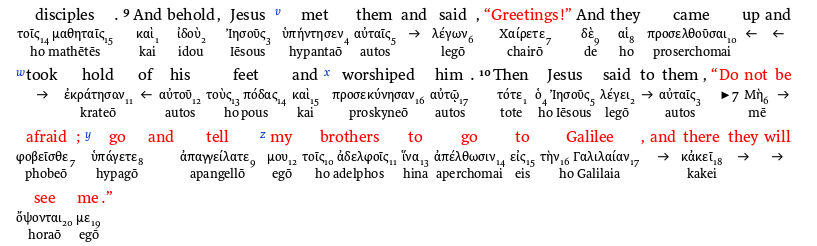
We can see that the disciples fell down at Jesus feet and then proskuneó to, just as was forbidden by Jesus in Matthew 4:10, but now accepted by him. For another example we can look at Matthew chapter 2.
- Now after Jesus was born in Bethlehem of Judea in the days of Herod the king, behold, wise men from the east came to Jerusalem, 2. saying, “Where is he who has been born king of the Jews? For we saw his star when it rose and have come to worship ( proskuneó) him.” 3. When Herod the king heard this, he was troubled, and all Jerusalem with him; 4. and assembling all the chief priests and scribes of the people, he inquired of them where the Christ was to be born. 5. They told him, “In Bethlehem of Judea, for so it is written by the prophet: 6. “‘And you, O Bethlehem, in the land of Judah, are by no means least among the rulers of Judah; for from you shall come a ruler who will shepherd my people Israel.’” 7. Then Herod summoned the wise men secretly and ascertained from them what time the star had appeared. 8. And he sent them to Bethlehem, saying, “Go and search diligently for the child, and when you have found him, bring me word, that I too may come and worship ( proskuneó) him.” 9. After listening to the king, they went on their way. And behold, the star that they had seen when it rose went before them until it came to rest over the place where the child was. 10. When they saw the star, they rejoiced exceedingly with great joy. 11. And going into the house, they saw the child with Mary his mother, and they fell down and worshiped ( proskuneó) him. Then, opening their treasures, they offered him gifts, gold and frankincense and myrrh. 12. And being warned in a dream not to return to Herod, they departed to their own country by another way.
In verses 2 and 8, it is not super clear at a glance if it should be considered worship, however if you keep reading down to verse 11, we see that the wise men Fell Down and proskuneó to baby Jesus, here is the Greek for verification.
Revelation 5:12-14 provides the biggest example of this in scripture, where the Lamb (Jesus) is worshiped alongside God.
12. saying with a loud voice, “Worthy is the Lamb who was slain, to receive power and wealth and wisdom and might and honor and glory and blessing!” 13. And I heard every creature in heaven and on earth and under the earth and in the sea, and all that is in them, saying, “To him who sits on the throne and to the Lamb be blessing and honor and glory and might forever and ever!” 14. And the four living creatures said, “Amen!” and the elders fell down and worshiped (proskuneó).
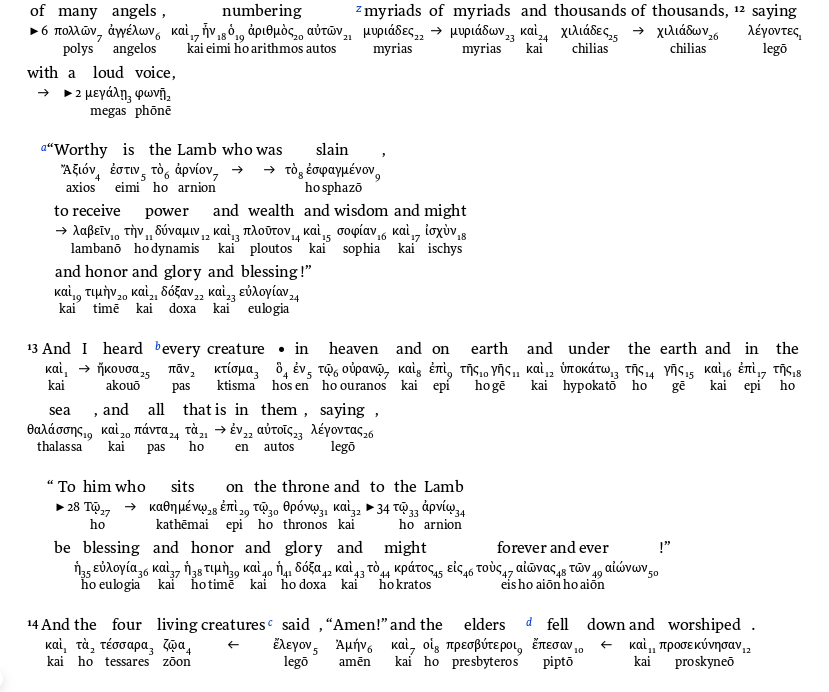
This verse can not be any clearer, ALL creation in heaven and earth, everything created says that the Lamb is to receive power and wealth and wisdom and might and honor and glory and blessing. The multitude sings, “Worthy is the Lamb who was slain,” and then fell down and proskuneó to the Lamb and God. Jesus Himself articulates His divine worthiness in John 5:23, stating:
23. that all may honor the Son, just as they honor the Father. Whoever does not honor the Son does not honor the Father who sent him.
Finally, in Luke 24:52, the disciples of Jesus perform proskuneó to Him after He was taken up to heaven. This verse is connected with verse 53 where the proskuneó is put along side blessing God, or worship.
50. And he led them out as far as Bethany, and lifting up his hands he blessed them. 51. While he blessed them, he parted from them and was carried up into heaven. 52. And they worshiped (proskuneó) him and returned to Jerusalem with great joy, 53. and were continually in the temple blessing God.
To not give Jesus the proskuneó and Worship He deserves is to ignore scripture and dishonor God the Father.
Some groups, mostly Arians sects or Muslims, will say that Jesus is not worshiped in the Bible but just given honor or "obeisance' instead. JWs even take it further and translate the work proskuneó in the Bible as "obeisance" instead, but only when Jesus is the subject. The idea behind this is that proskuneó only applies as worship when God is the subject, and not when a human or another figure is the subject of proskuneó.
However translations like the NWT is biased in this view, and allows proskuneó to be translated Worship when it doesn't apply it to Jesus or God, such as Demons, Angles, the Devil or the Dragon. There is also evidence that JW once believed Jesus was due worship and then changed the Bible to match the new theology.
The NWT Is Biased In It's Translation Of proskuneó